
Top 10 Cyber Security Incidents of the 21st Century
As technology has advanced, so too have the tactics and scale of cyber security incidents. The 21st century has witnessed a significant escalation in both the frequency and sophistication of cyber attacks, affecting individuals, corporations, and governments worldwide. These incidents have caused widespread disruption, financial losses, and in some cases, even physical damage. This article delves into ten of the most significant cyber security incidents of this century, exploring their impact and how they have reshaped the landscape of cyber security. By understanding these pivotal events, we can better appreciate the importance of robust security measures and remain vigilant against evolving cyber threats.
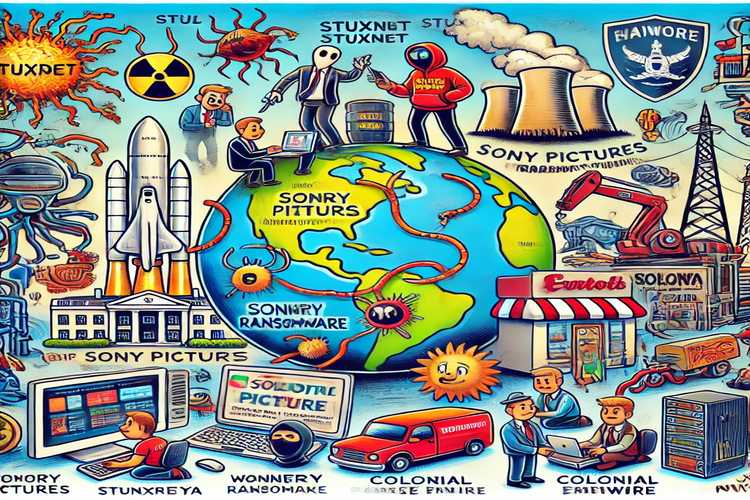
1. Stuxnet (2010)
Stuxnet was a sophisticated computer worm that targeted Iran's nuclear facilities, specifically the Natanz uranium enrichment plant. This worm, allegedly developed by the United States and Israel, disrupted the plant's operations by causing centrifuges to spin out of control. Stuxnet's impact was profound, as it highlighted the potential for cyber attacks to cause physical damage to critical infrastructure. It also led to increased focus on securing industrial control systems against cyber threats.
2. Sony Pictures Hack (2014)
The Sony Pictures hack, attributed to the North Korean group Guardians of Peace, led to the release of confidential company data, including unreleased films, employee information, and embarrassing emails. This attack underscored the vulnerabilities within corporate networks and the significant reputational and financial damage that data breaches can inflict. It spurred many companies to enhance their security measures and prioritize the protection of sensitive data.
3. WannaCry Ransomware Attack (2017)
The WannaCry ransomware attack affected over 230,000 computers in 150 countries, encrypting data and demanding ransom payments in Bitcoin. The attack exploited a vulnerability in Microsoft's Windows operating system. WannaCry's widespread impact demonstrated the importance of timely software updates and patches. It also highlighted the growing threat of ransomware and led to increased investments in defensive technologies and cybersecurity awareness.
4. Equifax Data Breach (2017)
One of the largest data breaches in history, the Equifax breach exposed the personal information of 147 million individuals, including Social Security numbers, birth dates, and addresses. The breach resulted from the exploitation of an unpatched web application vulnerability. This incident emphasized the critical need for robust security practices and regular vulnerability management. It also led to significant regulatory scrutiny and changes in how companies handle consumer data.
5. NotPetya Cyber Attack (2017)
NotPetya, initially disguised as ransomware, was a destructive malware that targeted Ukrainian businesses before spreading globally. The attack caused billions of dollars in damages, affecting numerous multinational corporations. NotPetya highlighted the potential for cyber attacks to disrupt global supply chains and the importance of comprehensive cybersecurity strategies that include incident response and business continuity planning.
6. Marriott Data Breach (2018)
The Marriott data breach compromised the personal information of up to 500 million guests over four years. The breach, which involved unauthorized access to the Starwood reservation system, underscored the risks associated with mergers and acquisitions, particularly regarding the integration of IT systems. It led to increased scrutiny of corporate cybersecurity practices and the implementation of more stringent data protection regulations.
7. SolarWinds Supply Chain Attack (2020)
The SolarWinds attack involved the insertion of malicious code into updates of the Orion software, used by thousands of organizations, including multiple U.S. government agencies. This sophisticated supply chain attack allowed attackers to access sensitive information and systems undetected for months. The incident underscored the vulnerabilities within supply chains and the need for robust security practices throughout the software development lifecycle. It also led to increased emphasis on zero-trust architectures and supply chain security.
8. Colonial Pipeline Ransomware Attack (2021)
The Colonial Pipeline attack forced the shutdown of a major U.S. fuel pipeline, causing widespread disruption to fuel supplies on the East Coast. The ransomware attack, attributed to the DarkSide group, highlighted the vulnerabilities of critical infrastructure to cyber threats. It led to increased regulatory focus on the cybersecurity of critical infrastructure and greater investment in defensive technologies and incident response capabilities.
9. JBS Foods Ransomware Attack (2021)
JBS Foods, the world's largest meat processing company, fell victim to a ransomware attack that disrupted its operations in North America and Australia. The attack, attributed to the REvil group, underscored the risks to global food supply chains from cyber threats. It led to increased awareness and investment in securing operational technology environments within the food and agriculture sectors.
10. Microsoft Exchange Server Attack (2021)
In early 2021, vulnerabilities in Microsoft Exchange Server were exploited by the Hafnium group, leading to the compromise of tens of thousands of email servers worldwide. The attack demonstrated the significant risks posed by unpatched software vulnerabilities and the importance of timely updates and patches. It also spurred organizations to enhance their cybersecurity hygiene and implement more rigorous vulnerability management practices.
These incidents have each left an indelible mark on the cyber security landscape, driving advancements in technology, policy, and awareness. From industrial control systems and corporate networks to critical infrastructure and global supply chains, the scope and impact of these attacks have been profound. As cyber threats continue to evolve, the lessons learned from these incidents will remain crucial in guiding efforts to protect our digital world. The collective response to these breaches has led to stronger regulations, improved security technologies, and a heightened awareness of the importance of cyber hygiene. By continuing to learn from these incidents, we can build a more resilient and secure digital future.