
The Role of Blockchain in Cybersecurity
With the increasing number of cyber threats and attacks, traditional security measures often fall short. Enter blockchain technology—a revolutionary approach that promises to transform the landscape of cybersecurity. Initially designed as the backbone of cryptocurrencies like Bitcoin, blockchain has proven to have vast potential beyond financial applications. Its decentralised, transparent, and immutable nature makes it a powerful tool in the fight against cybercrime.
Understanding Blockchain Technology
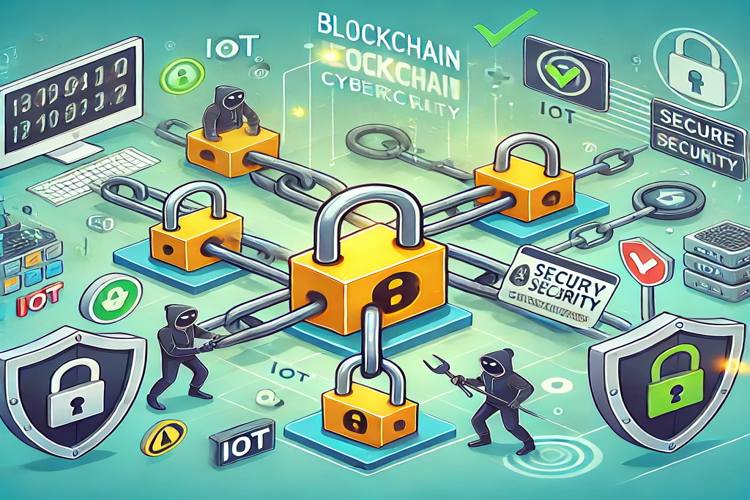
To appreciate the role of blockchain in cybersecurity, it is essential to understand what blockchain is. At its core, blockchain is a distributed ledger technology that records transactions across multiple computers in such a way that the registered transactions cannot be altered retroactively without the alteration of all subsequent blocks and the consensus of the network. This makes blockchain inherently secure and transparent.
Key Features of Blockchain
- Decentralisation: Unlike traditional databases that are centralised, blockchain operates on a decentralised network of computers. This reduces the risk of a single point of failure and makes it more difficult for hackers to compromise the system.
- Immutability: Once data is recorded on the blockchain, it cannot be altered or deleted. This ensures the integrity of the data and provides a reliable audit trail.
- Transparency: All transactions on the blockchain are visible to all participants, providing full transparency. This helps in building trust among users and reduces the chances of fraudulent activities.
- Consensus Mechanisms: Blockchain employs various consensus algorithms like Proof of Work (PoW) and Proof of Stake (PoS) to validate transactions. These mechanisms ensure that all participants in the network agree on the validity of the transactions.
Applications of Blockchain in Cybersecurity
Blockchain technology can be leveraged in numerous ways to enhance cybersecurity. Its unique characteristics provide solutions to many vulnerabilities present in traditional systems. Here are some key applications:
1. Data Integrity
Data integrity is crucial for any organisation. Blockchain’s immutability ensures that data, once written, cannot be tampered with. This is particularly useful for protecting sensitive information such as financial records, legal documents, and personal data. By using blockchain, any unauthorized attempt to alter data can be easily detected, thus ensuring the integrity and authenticity of the information.
2. Secure Communication
Secure communication is vital for protecting sensitive information from being intercepted by malicious actors. Blockchain can be used to create secure and private communication channels. For instance, blockchain-based messaging applications encrypt messages and store them on a decentralised ledger, ensuring that only the intended recipient can access the message. This eliminates the risk of eavesdropping and ensures the confidentiality of the communication.
3. Identity Management
Traditional identity management systems are often prone to breaches and fraud. Blockchain offers a more secure alternative by enabling decentralised identity management. Users can create and manage their digital identities on the blockchain, which are secured by cryptographic keys. This not only provides greater control over personal information but also reduces the risk of identity theft and fraud. Companies like uPort and Civic are already exploring blockchain-based identity solutions.
4. Protecting IoT Devices
The Internet of Things (IoT) presents a significant challenge for cybersecurity due to the vast number of connected devices. Blockchain can enhance the security of IoT ecosystems by providing a decentralised and secure framework for device communication and authentication. Each device can have a unique blockchain identity, making it easier to track and monitor device activity and prevent unauthorized access.
5. Preventing Distributed Denial of Service (DDoS) Attacks
DDoS attacks are a common and disruptive form of cyber attack where attackers overwhelm a network with excessive traffic. Blockchain can help mitigate DDoS attacks by decentralising Domain Name System (DNS) management. Traditional DNS is centralised and vulnerable to attacks, but a blockchain-based DNS is distributed across multiple nodes, making it more resilient to DDoS attacks. Projects like Handshake and ENS are working on blockchain-based DNS solutions.
6. Supply Chain Security
Blockchain technology can significantly enhance the security and transparency of supply chains. By recording every transaction and movement of goods on a blockchain, companies can ensure the authenticity and integrity of their products. This is particularly important for industries like pharmaceuticals and food, where counterfeit products can have serious consequences. Blockchain provides an immutable record of the entire supply chain, making it easier to detect and prevent fraud.
Challenges and Considerations
While blockchain offers numerous benefits for cybersecurity, it is not without challenges. Here are some key considerations:
1. Scalability
One of the main challenges of blockchain technology is scalability. The process of validating and recording transactions on the blockchain can be slow and resource-intensive, especially as the size of the network grows. This can be a significant limitation for applications that require high transaction throughput and low latency. Solutions like sharding and off-chain transactions are being explored to address scalability issues. This is one of the reasons Bitcoin has become more successful as a store of value medium, rather than a way to pay for daily transactions. Waiting a few minutes for a transaction to be confirmed on the ledger just isn't feasible when you are trying to pay for an americano at your local coffee shop.
2. Regulation and Compliance
The regulatory landscape for blockchain technology is still evolving. Compliance with existing laws and regulations can be complex, particularly in industries like finance and healthcare. It is important for organisations to stay informed about regulatory developments and ensure that their blockchain implementations comply with relevant legal requirements.
3. Privacy Concerns
While blockchain provides transparency, it can also raise privacy concerns. The public nature of many blockchain networks means that transaction data is visible to all participants. This can be problematic for applications that require confidentiality. Techniques like zero-knowledge proofs and private blockchains are being developed to address privacy issues and provide more control over sensitive information. Bitcoin isn't as anonymous as most people think. If you can trace the wallet ID and you can link the ID to an individual.. you can track their purchases.
4. Integration with Existing Systems
Integrating blockchain technology with existing systems and infrastructure can be challenging. Organisations need to carefully plan and execute integration strategies to ensure seamless interoperability. This often requires significant investment in terms of time, resources, and technical expertise.
The Future of Blockchain in Cybersecurity
The future of blockchain in cybersecurity looks promising. As the technology matures and overcomes current challenges, its adoption is likely to increase. Here are some trends to watch for:
1. Enhanced Security Protocols
Researchers and developers are continually working on enhancing blockchain security protocols. Innovations like quantum-resistant cryptography and more efficient consensus mechanisms will make blockchain even more robust and secure.
2. Increased Adoption in Various Industries
As awareness of blockchain’s potential grows, more industries are expected to adopt the technology for cybersecurity purposes. Sectors like finance, healthcare, supply chain, and government services are already exploring blockchain solutions to enhance security and efficiency.
3. Integration with Emerging Technologies
Blockchain is likely to be integrated with other emerging technologies like artificial intelligence (AI), the Internet of Things (IoT), and edge computing. This integration will create more sophisticated and secure systems capable of addressing complex cybersecurity challenges.
4. Development of Interoperable Blockchain Networks
Interoperability between different blockchain networks will become increasingly important. Efforts are underway to develop standards and protocols that enable seamless communication and data exchange between various blockchain systems. This will enhance the overall security and utility of blockchain technology.
Summary
Blockchain technology holds immense potential to revolutionise the field of cybersecurity. Its decentralised, immutable, and transparent nature addresses many of the vulnerabilities present in traditional systems. Applications such as data integrity, secure communication, identity management, and protection against DDoS attacks demonstrate the versatility of blockchain in enhancing security.
However, it is important to acknowledge and address the challenges associated with blockchain, including scalability, regulation, privacy, and integration. With continued research, development, and collaboration, blockchain technology will play a crucial role in building a more secure digital future.