
Social Engineering: The Human Element of Cyber Attacks
The term "cybersecurity" often evokes images of hackers breaking into systems through sophisticated coding and technical prowess. However, one of the most significant threats to cybersecurity isn't a piece of malicious software or a network vulnerability; it's the human element. Social engineering, the manipulation of individuals to divulge confidential information, has become a cornerstone of many cyber attacks. This article delves into the nuances of social engineering, exploring its methods, impacts, and prevention strategies.
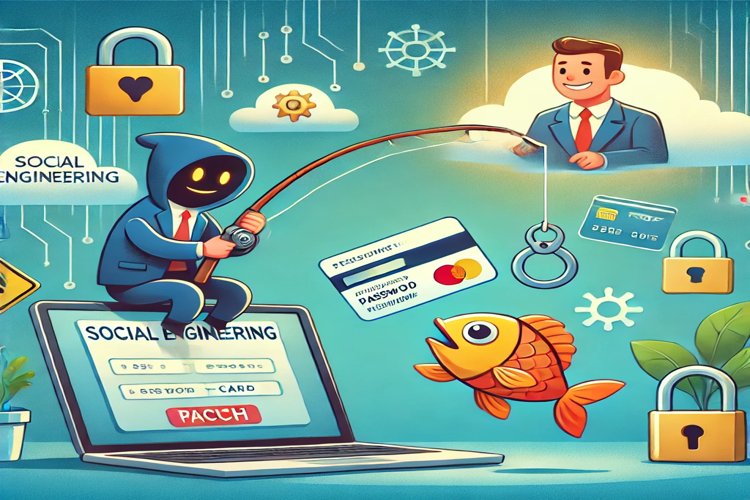
Understanding Social Engineering
Social engineering exploits human psychology rather than technical vulnerabilities. It involves tricking people into giving up sensitive information, such as passwords or personal details, or performing actions that compromise security. This type of attack preys on the natural tendency to trust, obey authority, or react to fear and urgency. Unlike traditional hacking, which requires technical skills, social engineering can be executed with nothing more than a good understanding of human nature and behaviour.
Common Techniques in Social Engineering
Social engineers use a variety of techniques to manipulate their targets. Some of the most common methods include:
Phishing
Phishing is perhaps the most well-known form of social engineering. It involves sending fraudulent emails or messages that appear to come from legitimate sources, like banks or trusted organisations. These messages often contain a sense of urgency, prompting the victim to click on a malicious link or provide sensitive information. The link may lead to a fake website designed to steal credentials or download malware onto the victim's device.
Pretexting
Pretexting involves creating a fabricated scenario or pretext to obtain information. The attacker pretends to be someone they are not, such as a colleague, IT support, or a law enforcement officer. By establishing credibility, they can persuade the victim to divulge confidential information. For example, an attacker might call an employee claiming to be from the IT department and request their login details to resolve a supposed issue.
Baiting
Baiting exploits human curiosity. Attackers leave physical media, such as USB drives, in public places, knowing that someone will pick them up and plug them into their computer. The USB drive may contain malware that infects the system or a document prompting the user to enter sensitive information. This method relies on the victim's curiosity to see what's on the drive.
Tailgating
Tailgating, also known as "piggybacking," involves following an authorised individual into a restricted area. This technique exploits the common courtesy of holding doors open for others or the assumption that someone who appears to belong in a space does belong. Tailgating can give attackers physical access to sensitive areas, such as server rooms or offices, where they can steal information or install malicious devices.
Quid Pro Quo
In a quid pro quo attack, the perpetrator offers a service or benefit in exchange for information. For instance, an attacker might pose as a technical support representative offering help with a computer issue. In return for the "help," the victim provides access to their system or divulges confidential information. This type of attack relies on the victim's willingness to reciprocate a favour.
The Psychology Behind Social Engineering
Social engineering is effective because it taps into fundamental aspects of human psychology. Several psychological principles are commonly exploited in these attacks:
Authority
People are more likely to comply with requests from individuals they perceive as authority figures. Attackers often impersonate figures of authority, such as managers, IT staff, or government officials, to increase the likelihood of compliance.
Urgency
Creating a sense of urgency can prompt victims to act quickly without considering the consequences. Phishing emails often include urgent language, such as "immediate action required," to push recipients into hurriedly clicking links or providing information.
Trust
Humans are social creatures who rely on trust in everyday interactions. Social engineers exploit this trust by pretending to be someone the victim knows or should trust. For example, an attacker might impersonate a colleague or a well-known company.
Curiosity
Curiosity can lead people to take actions they might otherwise avoid, such as opening suspicious attachments or exploring unknown USB drives. Baiting and other techniques exploit this natural curiosity to lure victims into compromising their security.
The Impact of Social Engineering Attacks
Social engineering attacks can have devastating consequences for individuals and organisations alike. The impacts include:
Financial Loss
Phishing and other forms of social engineering can lead to significant financial losses. For individuals, this might involve identity theft or unauthorised access to bank accounts. For organisations, compromised credentials can lead to fraud, theft of intellectual property, or financial data breaches.
Reputational Damage
For organisations, a successful social engineering attack can result in severe reputational damage. Customers, partners, and the public may lose trust in the organisation's ability to safeguard their information. This loss of trust can have long-term effects on business relationships and profitability.
Data Breaches
One of the most common outcomes of social engineering is a data breach. Attackers use stolen credentials or access gained through deceit to exfiltrate sensitive data, such as customer information, trade secrets, or proprietary data. These breaches can lead to legal consequences and regulatory fines.
Operational Disruption
In some cases, social engineering attacks can lead to operational disruptions. For instance, an attacker gaining access to a company's internal systems might disrupt services, delete critical data, or install ransomware. The resulting downtime can be costly and damaging to the organisation's operations.
Preventing Social Engineering Attacks
Preventing social engineering attacks requires a multi-faceted approach that includes education, policies, and technological measures. Here are some key strategies:
Education and Training
One of the most effective ways to combat social engineering is through regular education and training. Employees should be trained to recognise common tactics used by attackers and understand the importance of safeguarding sensitive information. Simulated phishing exercises can help reinforce these lessons and identify areas where further training is needed.
Implementing Policies and Procedures
Organisations should establish clear policies and procedures for handling sensitive information and responding to suspicious requests. This includes verifying the identity of anyone requesting sensitive information, whether over the phone, email, or in person. Policies should also outline the steps employees should take if they suspect a social engineering attempt.
Technological Solutions
While social engineering primarily targets human vulnerabilities, technology can still play a critical role in prevention. Multi-factor authentication (MFA) adds an extra layer of security, making it more difficult for attackers to use stolen credentials. Email filtering systems can help block phishing attempts, while monitoring tools can detect unusual activity that may indicate a breach.
Fostering a Security Culture
Creating a culture of security within an organisation is essential for preventing social engineering attacks. This means encouraging employees to be vigilant and to feel comfortable reporting suspicious activities. Regular communication from leadership about the importance of cybersecurity can help keep security top of mind.
The Role of Human Factors in Cybersecurity
Social engineering highlights the critical role that human factors play in cybersecurity. While technology continues to advance, human behaviour remains a consistent vulnerability. Addressing this aspect requires not only technological defences but also an understanding of psychology and effective communication strategies.
Human Error and Awareness
Human error is often cited as one of the leading causes of data breaches and security incidents. This can include everything from falling for a phishing email to using weak passwords or failing to apply software updates. Increasing awareness of these risks is crucial for reducing the likelihood of human error leading to a security incident.
The Importance of Communication
Clear and effective communication about cybersecurity risks and best practices is essential. Employees need to understand not only the "what" but also the "why" behind security policies. For example, explaining the dangers of sharing passwords or the potential consequences of a data breach can make employees more likely to follow security protocols.
Conclusion
Social engineering is a powerful tool in the arsenal of cyber attackers, exploiting the very human elements of trust, authority, and curiosity. As long as people remain the weakest link in the security chain, these attacks will continue to pose a significant threat. However, by understanding the techniques used in social engineering, recognising the psychological principles at play, and implementing comprehensive prevention strategies, organisations and individuals can better protect themselves from this ever-present danger. The battle against social engineering is not just about technology; it's about people and the choices they make.
For further reading on cybersecurity and social engineering, resources such as The National Cyber Security Centre's guide on social engineering and CSO Online's comprehensive overview of social engineering techniques provide valuable insights and practical advice.